
Sightseeing in Salzburg
Sights in the Old Town und Historic Centre
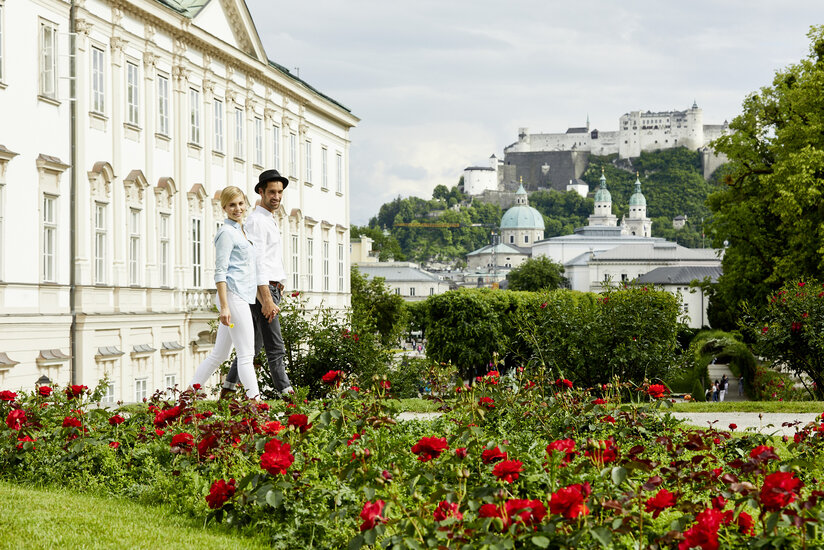
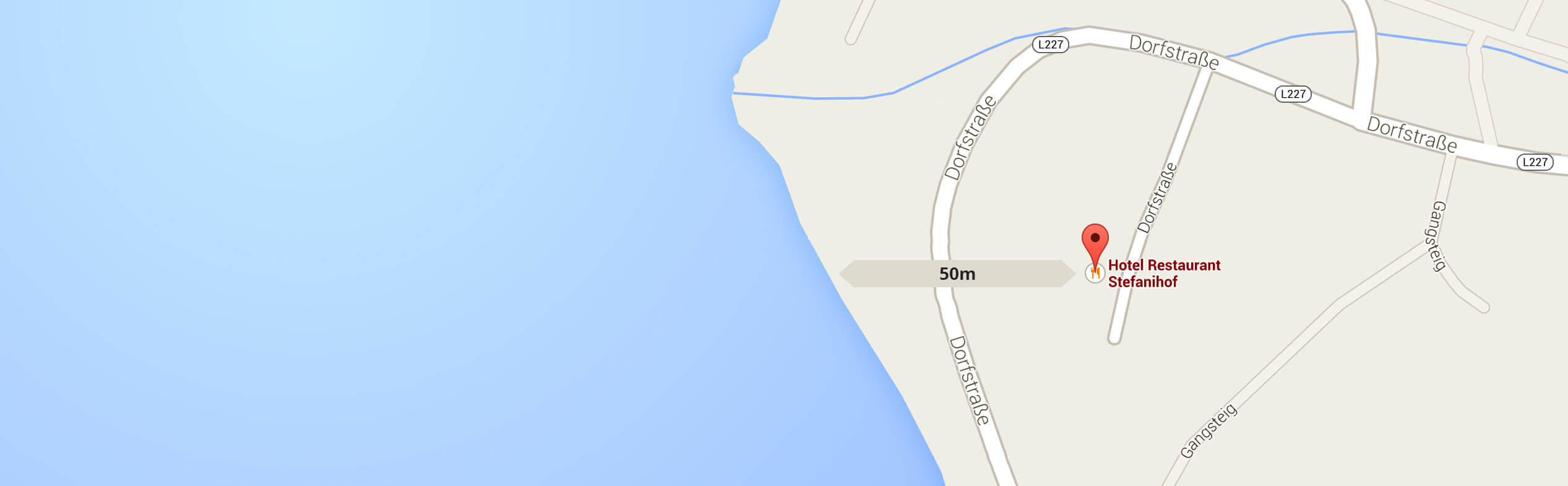
The city of Salzburg with its many popular and impressive attractions is only 20 kilometres away from Hotel Stefanihof.
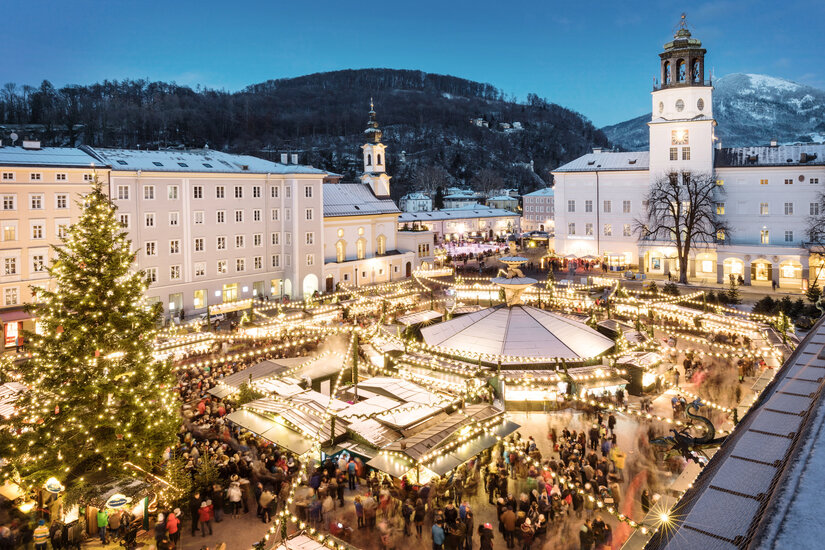
Those who have been to Salzburg once, will never forget this city. It has only about 150,000 inhabitants, but hosts more than 4,000 cultural events every year and about 20 baroque churches. To anyone wishing to know more about the history of Salzburg, we recommend the Salzburg Museum, situated in the New Residence at the Mozart Square.
Next to the Salzburg Museum, you will find the Cathedral of Salzburg, a building that not only impressed the archbishops of the past, but that still serves as a backdrop for the world's well-known staging of the play "Jedermann". The famous street Getreidegasse is perfect for shopping and sightseeing.
Even on rainy days, Salzburg is worth a visit. The many museums offer something for everyone: the museum of toys for the kids, the house of nature for aficionados of nature, the Museum of Modern Art for fans of art and the Cathedral Museum in the basement vault of the sacred building.
Shopping in Salzburg
In the old town of Salzburg you can find many tradtional handcraft shops, internatinal boutiques and also big shopping centres like Europark (Salzburg Klessheim), Designer Outlet (Salzburg Airport) and Forum 1 (Salzburg Mainstation).
Culture
Salzburg has a very broad cultural spectrum staging 4,000 events each year. Salzburg’s cultural year starts with the “Mozart Week” in January which is then following by the Easter, Whitsun and Summer Festivals. The month of October is dedicated to culture and for a few years now Salzburg’s Jazz Autumn has become an additional highlight in the cultural calendar. The year closes with the famous “Advent Singing” in the Festival Hall.
"Must Sees" in Salzburg
Excursions for any weather!
- Festung Hohen Salzburg, Festungsbahn
- Haus der Natur
- Stiegl Brauwelt
- Museum der Moderne am Mönchsberg
- Augustiner Bräustüberl
- Hellbrunner Wasserspiele
- Schloss Hellbrunn
- Zoo Salzburg
- Schloss Mirabell, Mirabell Garten
- Salzburger Dom